2025 WINNER OF TE PUIAKI PŪTAIAO MATUA A TE PIRIMIA THE SCIENCE PRIZE
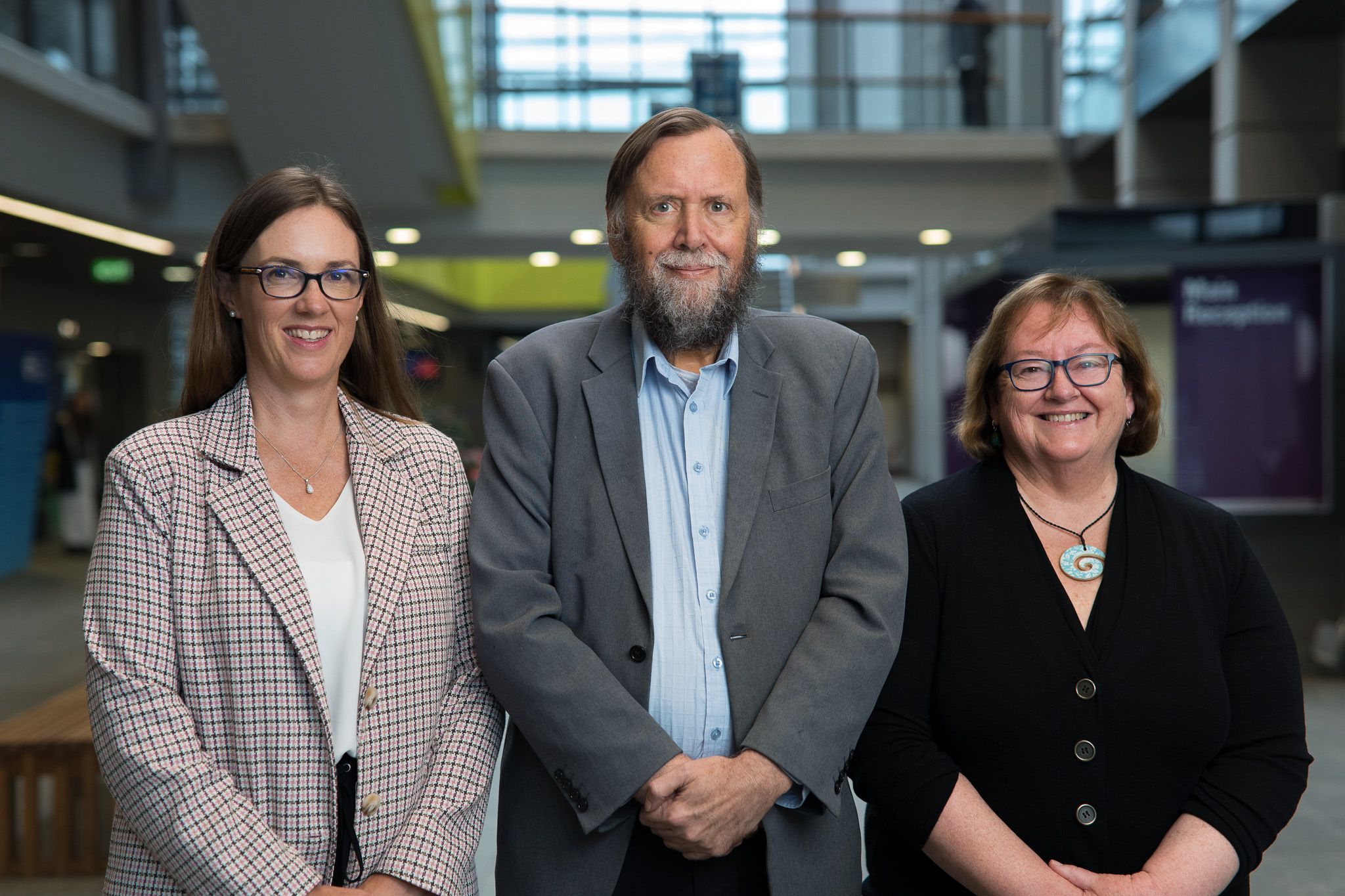
The Prime Minister’s Science Prize for a transformative scientific advance has been awarded to the Fetal Physiology and Neuroscience team at Waipapa Taumata Rau, the University of Auckland.
The team, co-led by the late Professor Alistair Gunn FRSNZ and Professor Laura Bennet FRSNZ, with Associate Professor Joanne Davidson, established mild cooling as a treatment for brain injury at birth for term babies.
Worldwide, at least a million babies a year die or develop brain injury due to low oxygen levels at birth. Therapeutic cooling is the only treatment proven to reduce all categories of disability, and results in a better quality of life for these babies. This life-saving treatment is now the standard of care globally and has prevented severe disability for thousands of babies.
Read media release about this prize.
Therapeutic cooling has been a paradigm-shift in neonatal care. The treatment involves cooling the brain of a newborn baby at risk of brain injury by 2.5–3°C for 3 days after birth using a specially designed ‘cooling cap’.
Prof Alistair Gunn was a world-renowned expert in perinatal neuroscience, working for both Starship Children’s Hospital and the University of Auckland as a professor of physiology and paediatrics. He was the driving force behind the development of therapeutic hypothermia, alongside his mother, the late Professor Tania Gunn. Together, they generated the first proof that hypothermia could reduce brain injury. The team continued this work – first in animals, then in international clinical trials to establish the treatment as the standard of care.
Prof Bennet co-directed the Fetal Physiology and Neuroscience team with Prof Gunn. Her research uncovered how premature babies and newborns adapt to adverse conditions such as low oxygen levels, infection, and inflammation. She developed insights on the progression of preterm brain injury, and her findings supported the first proof of principle that it is possible to dramatically alleviate brain injury with targeted innovative therapies.
Assoc Prof Davidson led research on the mechanisms underlying neonatal seizures and how hypothermia works. Her work resolved key practical questions remaining after the original clinical trials, such as the optimal duration for cooling and rewarming – strengthening the evidence for use of therapeutic hypothermia as standard of care.